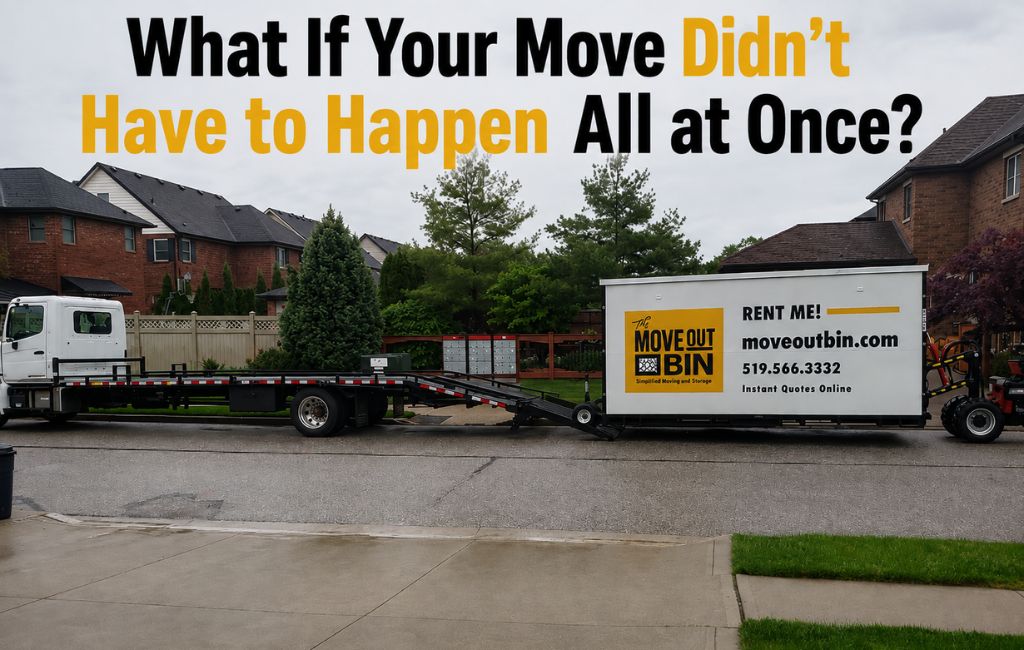



A successful move is not always about how quickly belongings reach a new address. Sometimes, the bigger challenge is keeping everything organized while several parts of life continue as usual. Work schedules, family responsibilities, property preparations, and renovation plans can make a single moving day difficult to manage. Our approach to moving and storage in windsor gives households another way to organize relocation by separating packing, storage, and transportation into manageable steps.
With a moving and storage container for rental, customers can prepare their belongings at their own pace and arrange transportation when they are ready. This approach is useful when a move involves more than changing addresses and requires a practical plan for managing household possessions along the way.
Why Does a Move Benefit From a More Flexible Plan?
Traditional moving arrangements often revolve around a fixed transportation date. Everything must be packed, organized, and ready before the truck arrives. While this works for some households, it can create unnecessary pressure when people have limited time or several responsibilities to manage.
We recognize that every relocation has its own schedule. A homeowner may need to clear a room before contractors begin working, while a family may want to organize belongings gradually before leaving its current property.
Portable storage provides another way to approach these situations. Instead of coordinating every task around one day, customers can prepare their belongings in stages and arrange container transportation when convenient.
How Can Portable Storage Make Relocation Easier to Organize?
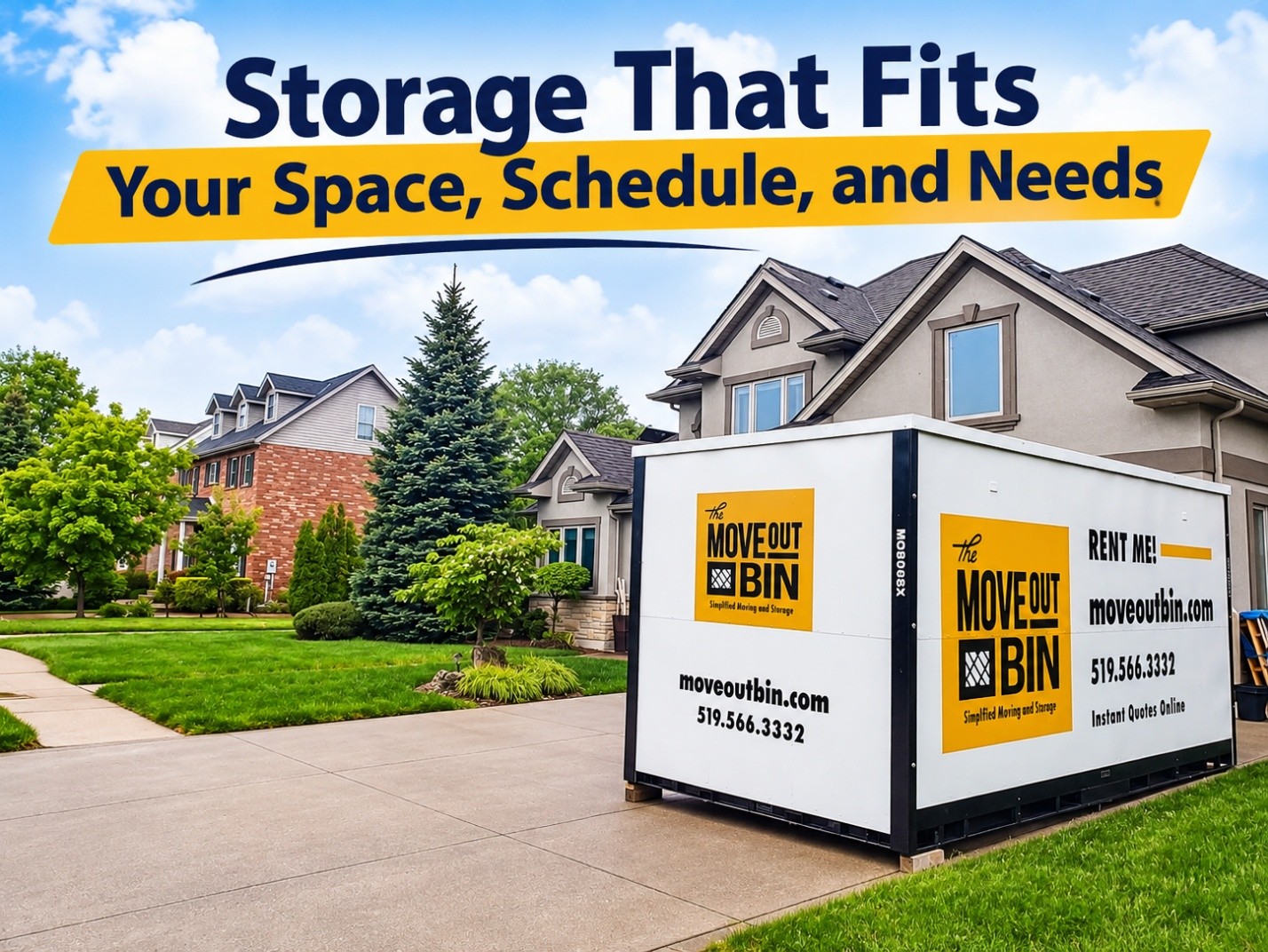
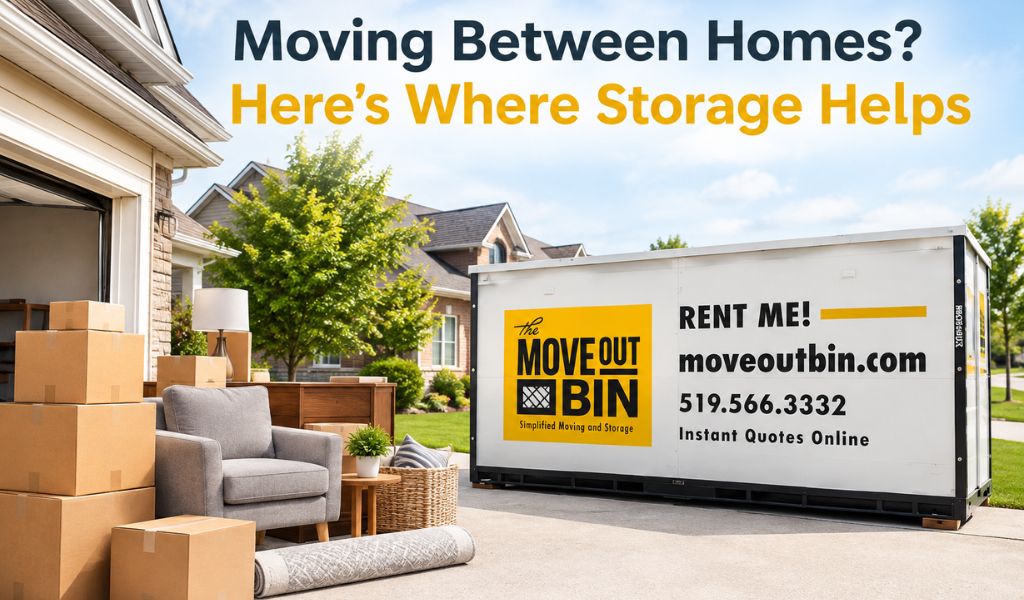
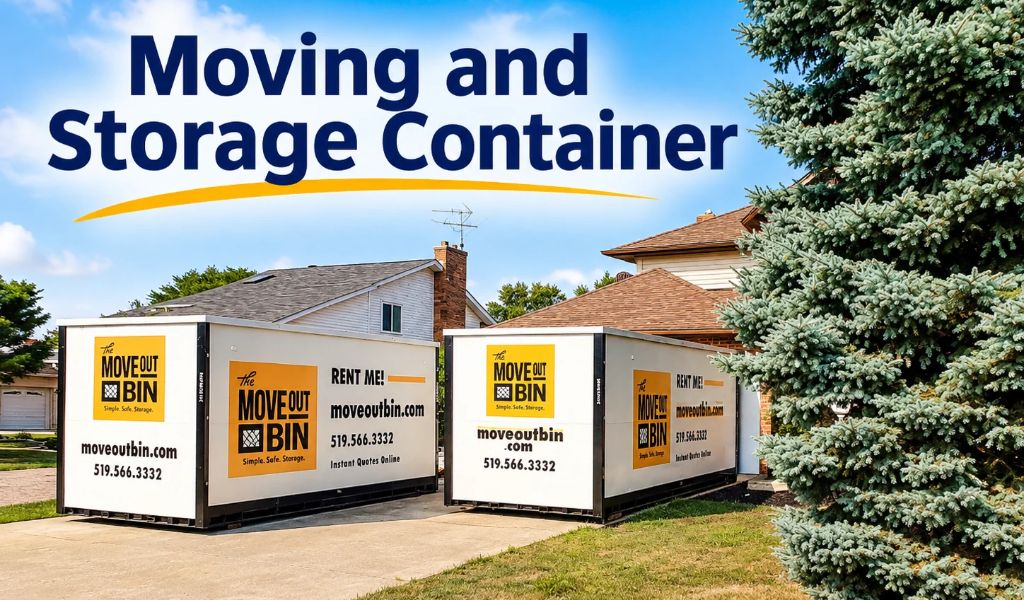
A portable container provides a dedicated space for belongings throughout the moving process. We deliver the selected unit to the customer’s property, where the customer can organize and pack household items independently.
Once the container is ready, we arrange transportation to the new address or our storage facility. Customers can then unpack when it suits their schedule.
This arrangement can be particularly helpful for households that want to:
- Pack one room at a time instead of rushing through the entire house.
- Keep furniture and boxes together during a property transition.
- Store belongings while completing renovations or preparing another home.
- Avoid making repeated trips with a rented vehicle.
- Keep seasonal or less frequently used possessions separate from everyday essentials.
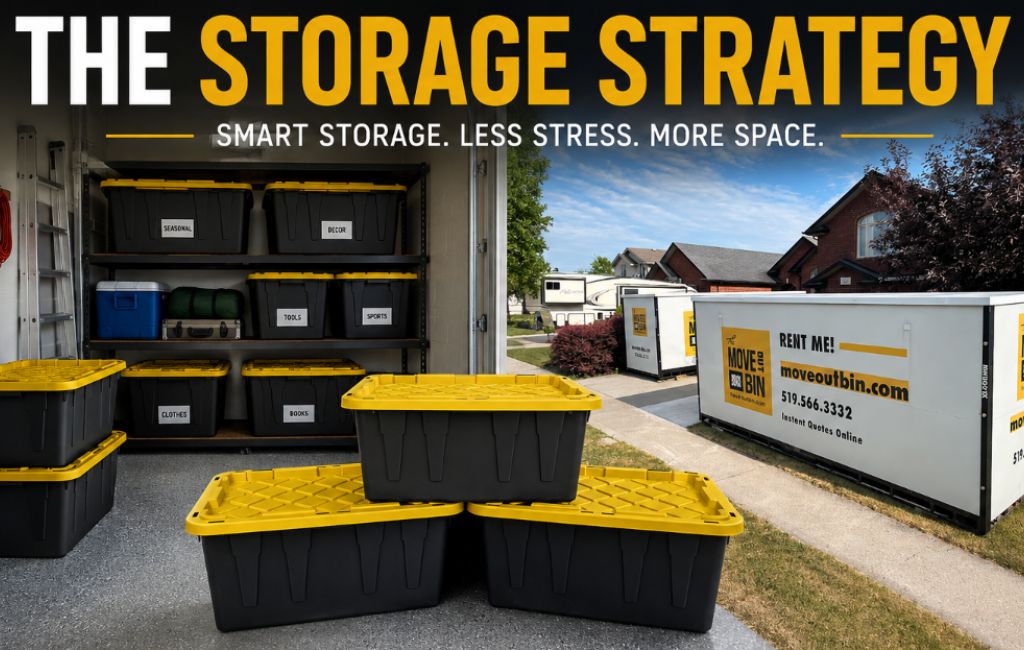
We also provide reusable storage totes to help customers organize boxes and household items before transportation.
What Should You Know About Container Sizes Before Renting?
Choosing an appropriate container size is an important part of planning. A unit that is too small may require additional arrangements, while an unnecessarily large container may increase rental expenses.
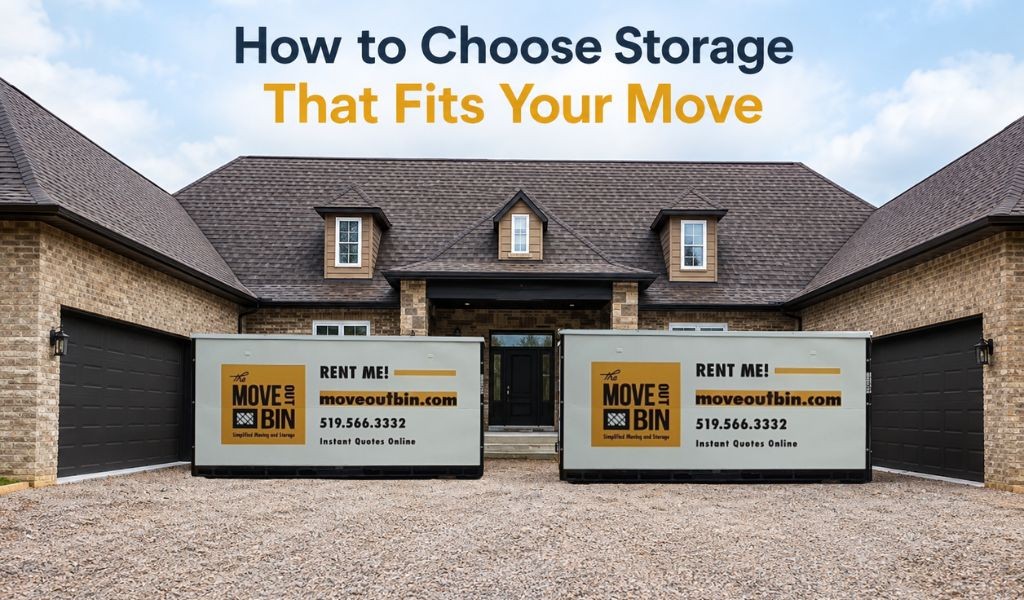
We offer two container sizes to accommodate different household requirements.
| Container size | Approximate household capacity |
| 16-foot container | One to two bedrooms, excluding appliances |
| 20-foot container | Three to four bedrooms, excluding appliances |
These estimates are useful starting points rather than guaranteed capacities. Furniture dimensions, the number of boxes, and the amount of available packing space can influence the final selection.
Before requesting a rental, we recommend preparing a basic inventory. Include large furniture, mattresses, appliances, outdoor equipment, and the estimated number of boxes. This makes it easier to discuss the appropriate container size.
How Do We Keep Belongings Level During Transportation?
Protecting belongings involves more than placing them inside a container. The way a loaded unit is transferred onto a truck and delivered to another location also matters.
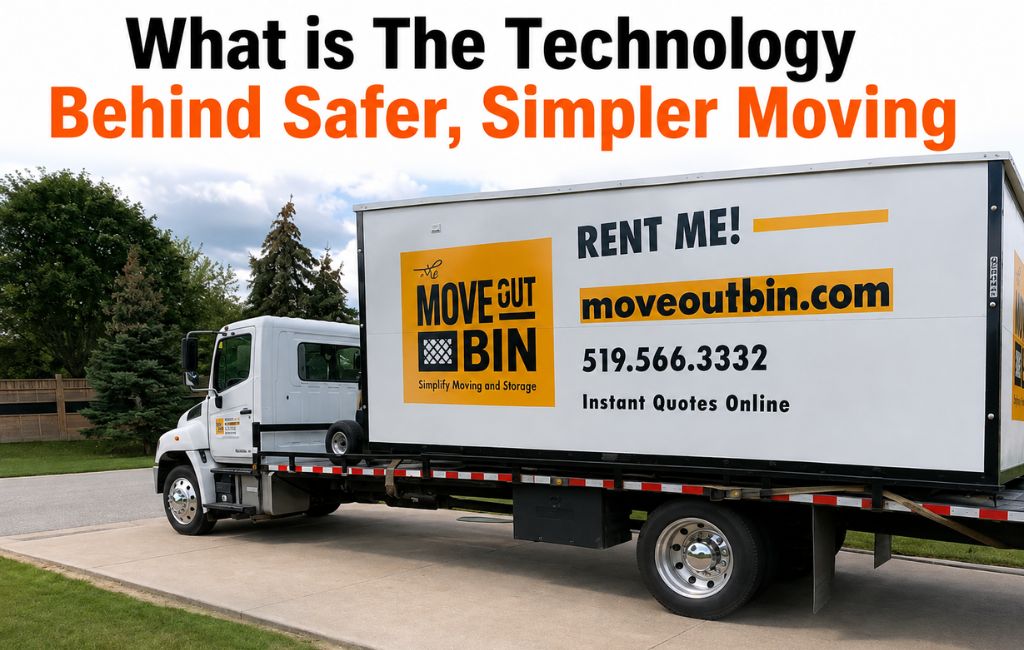
We use a tilt-free delivery system designed to keep the container horizontal during loading and unloading from our transportation equipment. This helps maintain the position of properly packed belongings and reduces unnecessary movement during container transfers.
Our containers feature Weatherproof steel insulated walls. They also include secure locking systems and non-slip flooring.
Customers remain responsible for packing and arranging their contents inside the container. We do not pack, load, or unload household belongings. Our responsibility is to load and unload the container onto and off our truck while keeping its contents level.
For better protection, we recommend placing heavier boxes toward the bottom, wrapping fragile objects, and securing tall furniture with suitable ratchet straps.
When Is Off-Site Storage a Better Choice?
Keeping a container on your property can be convenient when you need regular access to stored belongings. However, limited driveway space, ongoing construction, or property restrictions may make this arrangement impractical.
We offer the option of transporting loaded containers to our storage facility. This allows customers to keep their belongings together without occupying valuable space at home or work.
Off-site storage can be useful during:
- Home renovations and remodeling projects.
- Residential moves involving different closing dates.
- Business reorganizations and inventory changes.
- Seasonal storage requirements.
- Property preparation before a sale or rental.
We advertise storage at our facility without an additional storage charge. Customers should confirm the applicable rental, transportation, and access arrangements when requesting a quote.
How Can Better Packing Decisions Save Time Later?
The way belongings are organized before transportation can influence the entire unpacking experience. Poorly labeled boxes, uneven weight distribution, and inaccessible essentials can make settling into a new property more difficult.
We recommend using a simple room-based packing system. Mark each box with its destination room and contents. Keep frequently needed items separate, and avoid placing delicate belongings beneath heavy objects.
Reusable totes can also make organizing smaller household items easier. Customers should prepare an inventory of important boxes and keep personal documents, medications, and valuables outside the storage container.
A little preparation before transportation can prevent considerable searching and rearranging after delivery.
What Makes a Flexible Moving Arrangement Worth Considering?
Statistics Canada’s 2022 Canadian Housing Survey, discussed in its February 2026 housing mobility analysis, found that 33.3% of Canadian households had moved within the preceding five years. Among households that moved, changing housing needs were an important reason for relocation. This highlights how common household transitions are and why practical storage arrangements can support changing living situations.
We believe a good moving plan should give people control over how they prepare, store, and transport their possessions. At Move Out Bin, we provide moving and storage in windsor through 16-foot and 20-foot containers, reusable packing totes, tilt-free transportation, and on-site and off-site storage options. Customers considering a moving and storage container for rental can use our service to organize their own packing and arrange transportation when ready. Our focus is on providing the space and transportation needed to make each stage of a move more manageable.
For more information about our storage solutions, services, and customer updates, visit our Google Business Profile.
Frequently Asked Questions
- How far in advance should I plan a residential move?
Start planning four to eight weeks ahead to organize belongings, confirm arrangements, and prepare transportation.
- What is the best way to protect furniture during transportation?
Wrap furniture with moving blankets, protect corners, secure loose parts, and use suitable straps to prevent shifting.
- Should I pack heavy items in large boxes?
No. Use smaller boxes for heavy belongings to make lifting easier and reduce the risk of damage.
- How can I keep track of stored belongings?
Create a numbered inventory, label boxes clearly, and maintain a digital record of their contents.
- What should I pack separately from household storage?
Keep medications, identification, financial documents, valuables, essential clothing, and frequently used personal items separately.