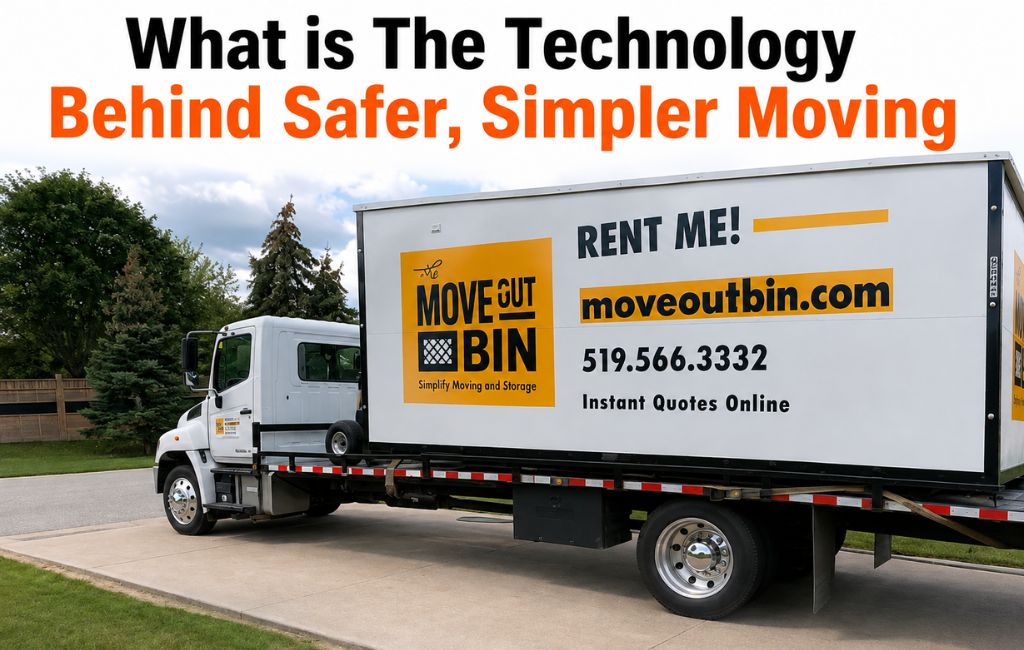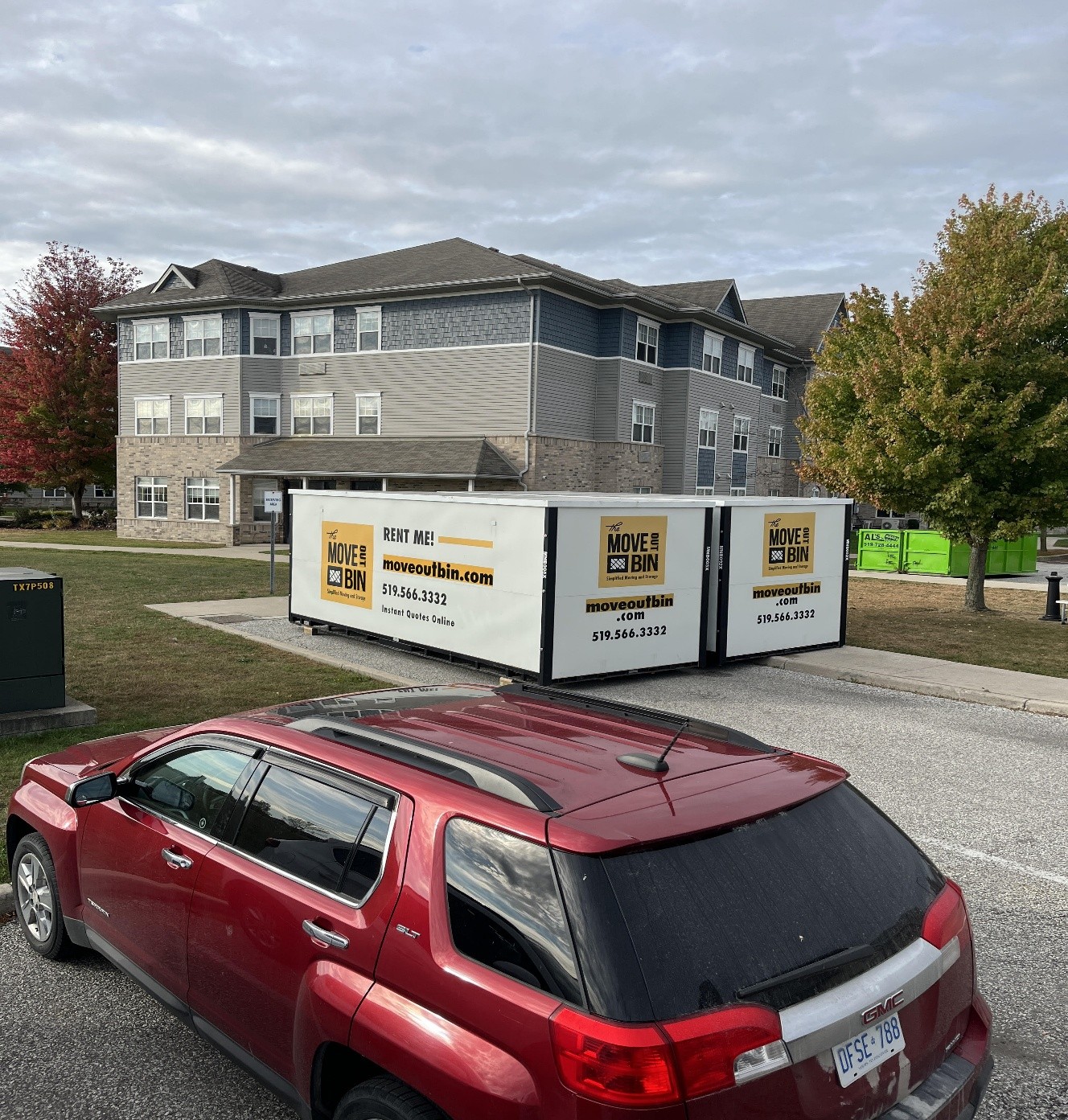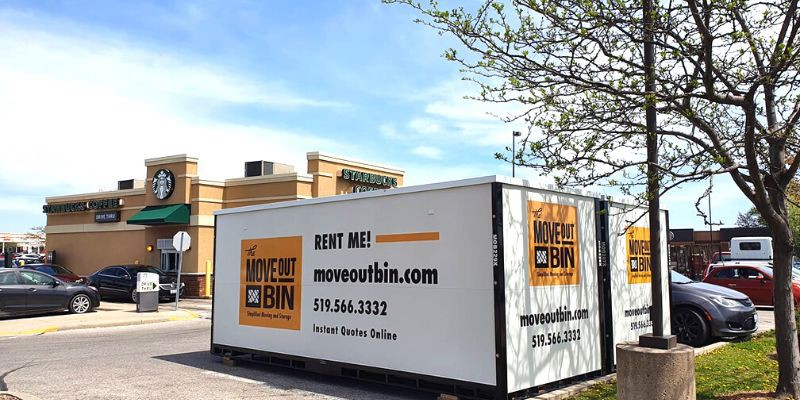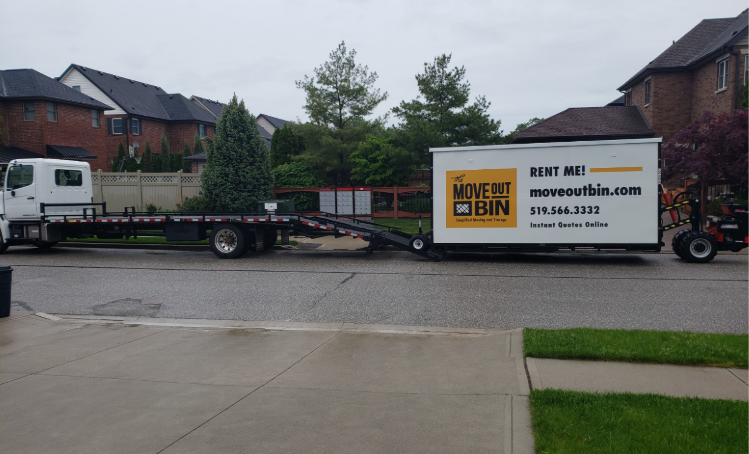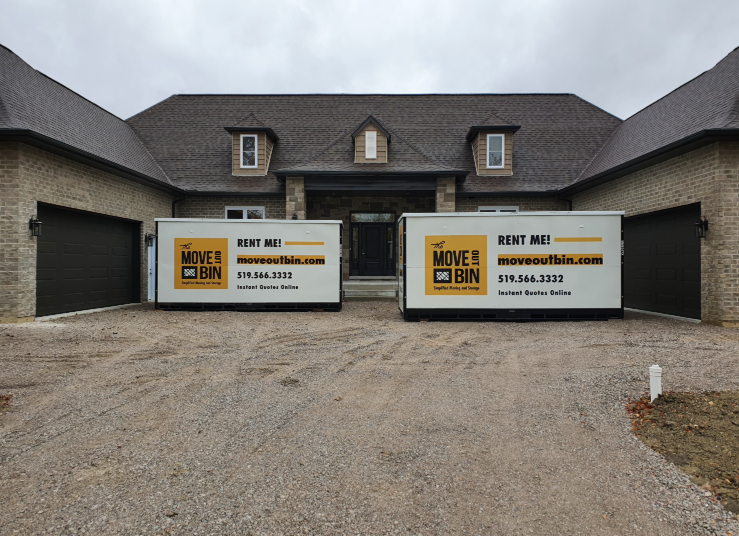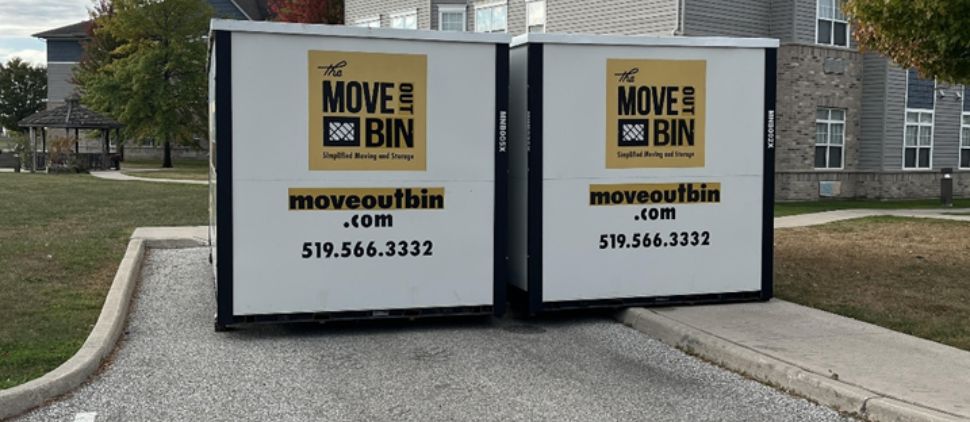



Moving does not always happen in one clean sequence. We may need to clear a room before repairs, create space during a transition, or store belongings while plans change. That is where mobile storage in Windsor can offer a practical middle ground. Instead of forcing every item into a permanent storage facility, we can bring storage closer to where the work is happening.
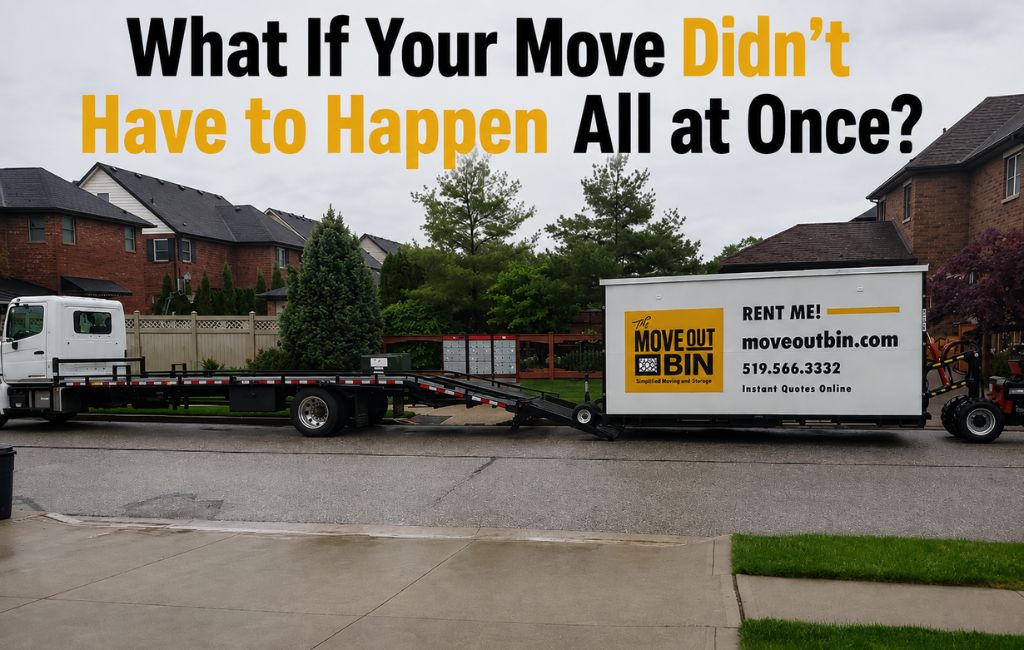
With a mobile storage container in Windsor, we can create temporary space without rushing the next step. The container comes to the property, we load it at our own pace, and it can then be moved to another location or kept in storage. This approach changes storage from a separate task into a useful part of the moving plan.
Why Can Mobile Storage Make a Move Easier?
Mobile storage makes a move easier by giving us more control over timing, space, and access to belongings. A traditional move often creates pressure because packing, loading, transportation, and unloading must happen within a narrow window. That schedule may work for a straightforward relocation. It can become difficult when a closing date changes, renovations run longer, or one property is ready before another.
With a mobile container, we can separate these steps. We can pack gradually, organize items by priority, and avoid moving everything at once. This can be especially useful when we need temporary space but do not want to transport belongings repeatedly. The goal is not simply to add storage. It is to remove unnecessary timing pressure from the moving process.
What Makes On-Site Storage Different From Traditional Storage?
On-site storage keeps the storage container close to the property, which can reduce unnecessary handling of stored belongings.
When items move between a home, truck, warehouse, and new property, every additional transfer creates another handling stage. On-site storage can simplify that sequence. We can place packed belongings into the container and keep them there while the next stage of the move takes shape.
This model can work well for several situations, including:
- Home moves that involve different closing dates
- Renovation projects that require rooms to be cleared
- Downsizing when belongings need temporary organization
- Business changes that require additional space
- Short-term transitions between properties
The right storage approach depends on how long the space is needed, where belongings must remain, and whether transportation is part of the plan.
How Do Portable Containers Support Flexible Moving Plans?
Portable storage units in Windsor can support flexible moving plans because they combine storage space with transportation options.
Instead of treating storage and moving as completely separate services, we can use one container during different stages. It may begin at a home, remain there while packing continues, and later move to a new property or a storage facility.
This flexibility matters when the schedule is uncertain. We do not always know exactly when every part of a move will happen. A container can provide a buffer between those stages.
Container size also matters. A smaller 16-foot container can accommodate the contents of an average one- to two-bedroom home without appliances. A 20-foot option can accommodate an average three- to four-bedroom home without appliances. Choosing the appropriate size helps us avoid paying for unnecessary space while ensuring that belongings fit safely.
Can Mobile Storage Help During Home Renovations?
Yes. Mobile storage can create temporary space when furniture and household belongings need to leave active work areas.
Renovation projects often require rooms to remain clear for contractors, equipment, materials, and movement. Keeping furniture in another room may only shift the problem. Moving it into a temporary container can create a cleaner work area while keeping belongings together.
The same principle applies during restoration work. If part of a property needs to be cleared, temporary storage can provide a practical place for furniture and household items until the space is ready again.
The value comes from timing. We can remove items before work begins and return them after the area becomes usable.
What Should We Consider Before Renting a Storage Container?
We should consider container size, rental duration, placement, access, and whether the container will stay on-site or move.
Good planning starts before delivery. We should identify what needs storage, estimate the volume, decide how frequently we may need access, and determine where the container can safely be placed.
The container itself also matters. Features such as weather-resistant construction, insulated walls, non-slip flooring, and protection against common storage concerns can help support better storage conditions. A level-lift delivery system can also help keep the container level during placement and transportation.
We should also think about organization. Heavier items belong toward the bottom, fragile goods need suitable protection, and frequently needed belongings should remain accessible.
How Does a Flexible Storage Plan Reduce Moving Stress?
A flexible storage plan reduces stress by giving us more time to make decisions without repeatedly moving the same belongings.
Moving is often treated as a single event, but many relocations are really a series of smaller transitions. The 2024 U.S. Census Bureau data shows that 11.8% of the U.S. population moved to a different residence during the year. That continuing level of residential movement shows why adaptable moving solutions remain relevant.
We can also use storage as a planning tool. Rather than asking, “How can everything move today?” we can ask, “What needs to move now, and what can wait?” That small change can make the entire process more manageable.
Why Is the Right Storage Approach About More Than Space?
The right storage approach is about controlling the movement of belongings, not simply finding an empty box.
We can think of temporary storage as a bridge. It connects one stage of a move to another without forcing every decision to happen at the same time. That makes it useful for residential moves, renovations, commercial transitions, and other situations where timing matters.
For us, good storage planning means considering the complete journey of each item. Where will it be packed? Where will it stay? When will it move again? How easily will it need to be accessed?
When those questions have clear answers, storage becomes much easier to manage.
Conclusion: Making Space for a Better Moving Process
We believe storage should support the moving process rather than complicate it. Move Out Bin provides a practical option for mobile storage in Windsor, with containers that can support packing, temporary storage, and relocation needs. A mobile storage container in Windsor can give us the time and space to manage transitions more deliberately, while portable storage units in Windsor can help connect storage and transportation when plans require flexibility. A better move is not always the fastest move. Sometimes, it is the one that gives us enough room to do each step properly.
FAQs
1. How long can a mobile storage container typically be rented?
Rental periods vary by provider, container size, location, and the customer’s specific storage requirements.
2. What can mobile storage containers commonly be used for?
They commonly support moving, renovations, temporary household storage, business storage, and property transitions.
3. Should belongings be packed before the container arrives?
Packing beforehand can improve organization, but many people prefer loading gradually after container delivery.
4. How should belongings be organized inside a storage container?
Place heavier items below, protect fragile goods, and keep frequently needed belongings near accessible areas.
5. Is mobile storage suitable for business use?
Yes, businesses may use mobile storage for inventory, documents, equipment, seasonal items, and renovation-related storage.