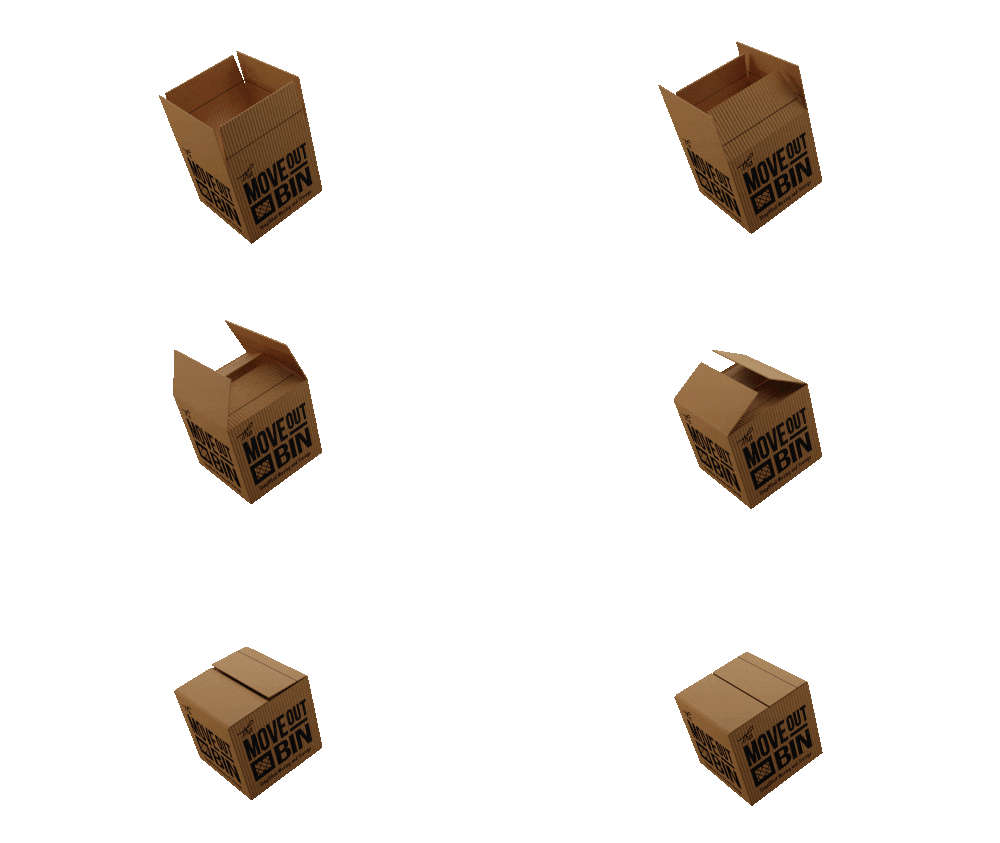




We often think of moving as a simple sequence: pack, load, transport, and unload. In practice, the difficult part is often everything happening between those steps. A closing date can change, a renovation can delay access to a property, or we may need to clear a home before the next one is ready. As professional movers in Windsor, we recognize that a successful move depends on more than transportation. It also depends on having a practical plan for where belongings go during the transition.
That is where coordinated moving and storage can make a difference. A Windsor moving and storage company can provide a more flexible approach when a household needs transportation and temporary storage as part of the same transition. Statistics Canada reported that 33.3% of Canadian households had moved to their current residence within the previous five years. Among recent movers, 25.3% said they wanted a larger or better-quality home. These moves do not always happen on perfectly aligned schedules, which makes flexible storage an important consideration.
Why can storage be an important part of moving?
We see storage as a practical bridge between two stages of a move. When the old property needs to be cleared before the new property is ready, belongings need a secure place to stay without forcing us to make several unnecessary trips.
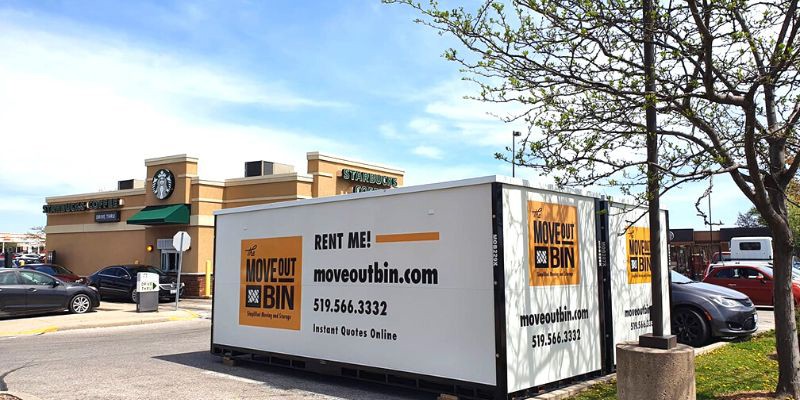
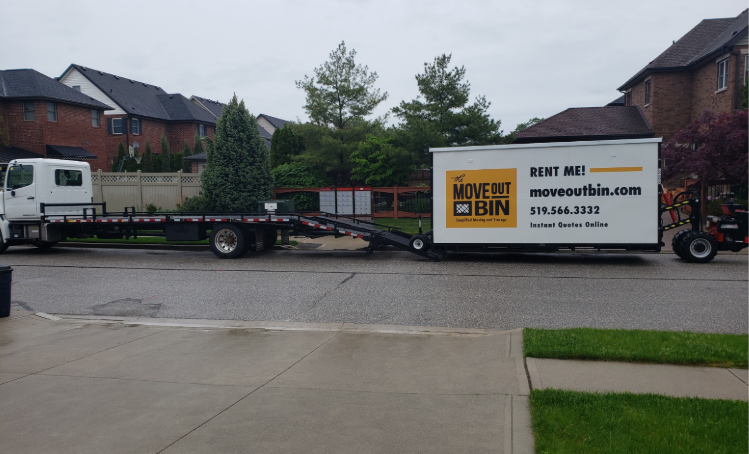
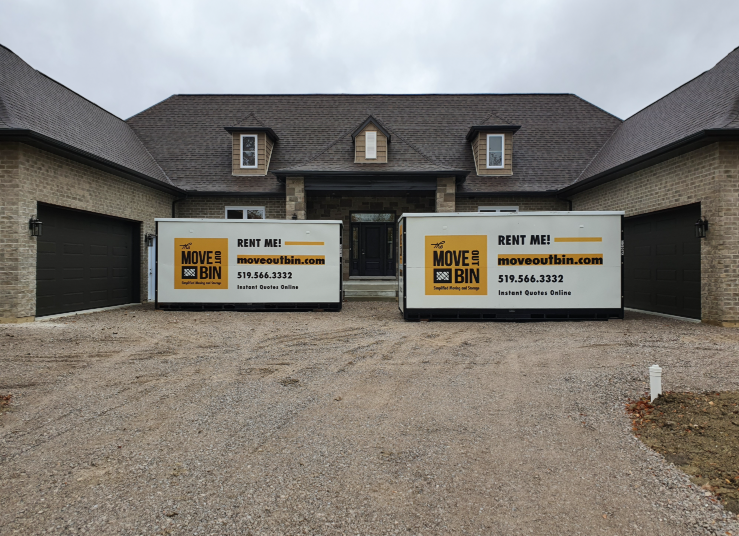
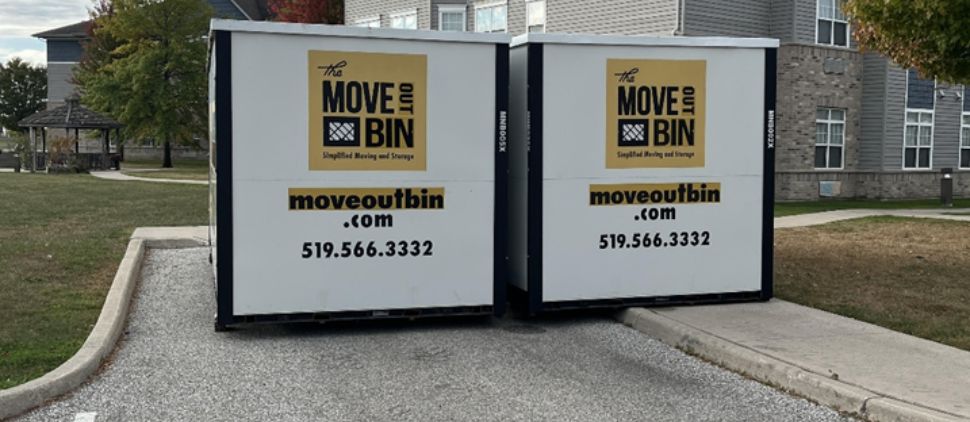
Portable storage can help us create that bridge. We can have a container delivered, pack our belongings at our own pace, and arrange transportation when the next stage is ready. We handle the packing and unloading of our own contents, while the container itself can be loaded onto and unloaded from the transport truck by the provider.
This approach can also help during renovations, downsizing, home preparation, and temporary relocation. Instead of treating storage as an unrelated service, we can make it part of the moving plan.
What should we consider when choosing storage during a move?
We should look beyond the basic question of how much space we need. The condition of the storage environment, accessibility, handling method, rental period, and transportation process can all affect the experience.
When we compare options, we should consider factors such as:
- How long our belongings will remain in storage
- Whether we need on-site or off-site storage
- How the container will be loaded and transported
- Whether the storage structure protects belongings from outdoor conditions
- How easily we can access stored items
- Whether the provider offers flexible scheduling
- What items cannot be stored
Weatherproof steel insulated walls are particularly important when belongings will remain inside a container for an extended period. We should also understand that customers remain responsible for packing their own belongings and following restrictions on hazardous or unsuitable materials.
Is a storage facility useful when our moving dates do not match?
Yes, particularly when there is a gap between leaving one property and entering another.
A storage facility in Windsor can give us a temporary destination for belongings while we wait for the next stage of the move. This can be useful when a home sale closes before a new purchase is ready, when renovation work delays occupancy, or when we simply need additional time to organize a household.
The important consideration is reducing unnecessary handling. If furniture and boxes are moved into a temporary location and then moved again a few days later, we add another loading and unloading cycle. A planned storage solution can help simplify that sequence.
How can professional moving help us avoid common problems?
We should begin by treating moving as a process rather than a single event. Creating an inventory, labeling boxes by room, separating daily essentials, and deciding which belongings can go into storage first can make the transition more organized.
We also need to think about container placement and access before delivery. Adequate space allows equipment to handle the container safely, while clear labeling makes unloading easier when the belongings reach their destination.
Our role as professional movers in Windsor is not to replace the customer’s responsibility for packing and unpacking. Instead, the focus is on the transportation and handling of the container itself. Understanding that distinction helps customers plan realistically and avoid expecting a packing service that is not part of the process.
What does a coordinated moving and storage plan look like?
A coordinated plan connects transportation with the customer’s actual timeline.
| Moving situation | Practical storage approach |
| New home is not ready. | Store belongings until access is available |
| Renovation is underway | Keep furniture away from active work areas. |
| Downsizing | Store items while deciding what to keep |
| Temporary relocation | Maintain belongings in one designated place. |
| Home preparation | Clear rooms without rushing final decisions |
The goal is not necessarily to make every move faster. It is to make the sequence more manageable. When transportation and storage are planned together, we have more flexibility to handle changes without repeatedly relocating the same possessions.
What should we expect from a moving and storage provider?
We should expect clear information about container sizes, delivery, transportation, storage options, handling procedures, pricing, and restrictions. We should also ask who is responsible for packing and unloading the contents.
For us, these details matter because moving involves personal belongings that need careful preparation before transportation. A transparent process helps us understand what we are responsible for and what the provider handles.
Ultimately, storage works best when it supports the moving plan rather than becoming another complication. By separating packing, transportation, and final unloading into manageable stages, we can approach the transition with greater control. As a Windsor moving and storage company, Move Out Bin provides portable storage and container transportation designed to support customers through these in-between stages. For us, the purpose is straightforward: give a move enough flexibility to work around real schedules, not force real schedules to work around one moving day.
FAQs
- How early should we begin planning storage for a move?
We should arrange storage before moving day to confirm availability, placement, transportation, and the required rental period.
- What should we pack first when using temporary storage?
We should pack seasonal, rarely used, and nonessential belongings first while keeping daily necessities accessible.
- Is temporary storage useful during home renovations?
Yes, temporary storage can keep furniture and household belongings away from active renovation areas.
- How should we prepare belongings for storage?
We should use sturdy containers, label boxes clearly, protect furniture, and follow applicable storage restrictions.
- Can storage reduce repeated moving trips?
Yes, keeping belongings together can reduce unnecessary transfers between temporary locations during a complicated move.