


You stand in your living room surrounded by boxes, and half of them hold things you used last week. The other half hold things you forgot you owned. Moving day demands you pack everything now. That demand sometimes creates bad decisions in moving.
You will end up renting a truck you do not need. You pay for space you will never use, and you drag a broken lamp into your new home simply because you ran out of time. We offer a different path for this whole process. Think of us as the pause button, like you stop the chaos. You sort on your own clock. And you keep only what truly belongs in your future.
Here is a number worth remembering. The average American household stores over 300 items that see zero use in a typical year. Three hundred objects taking up space, collecting dust, and costing money.
That number climbs higher during a move because panic overrides logic. We see this pattern every week at our facility. That is why we built our entire model around giving you time. Time starts with a simple storage box in Windsor. You fill it. We hold it. You decide later, no pressure, no clock. Just a clean break between what you need today and what you might want tomorrow.
What Actually Changes When You Stop Treating Storage as a Dumping Ground?
Most people view a storage facility in Windsor as a place where good intentions go to die. They drop off boxes labeled “kitchen” and “living room” and never return. That approach wastes money and creates a hidden tax on your future self. We take a different view. A storage box should act as a deliberate pause, not a permanent burial.
You choose what goes inside with intention, not panic. You set a reminder to review the contents every six months. You treat the rental fee as motivation to make decisions rather than an excuse to avoid them. This mindset shift sounds small, but it transforms storage from a source of shame into a tool for freedom.
How Does a Portable Box Beat a Fixed Unit Every Time?
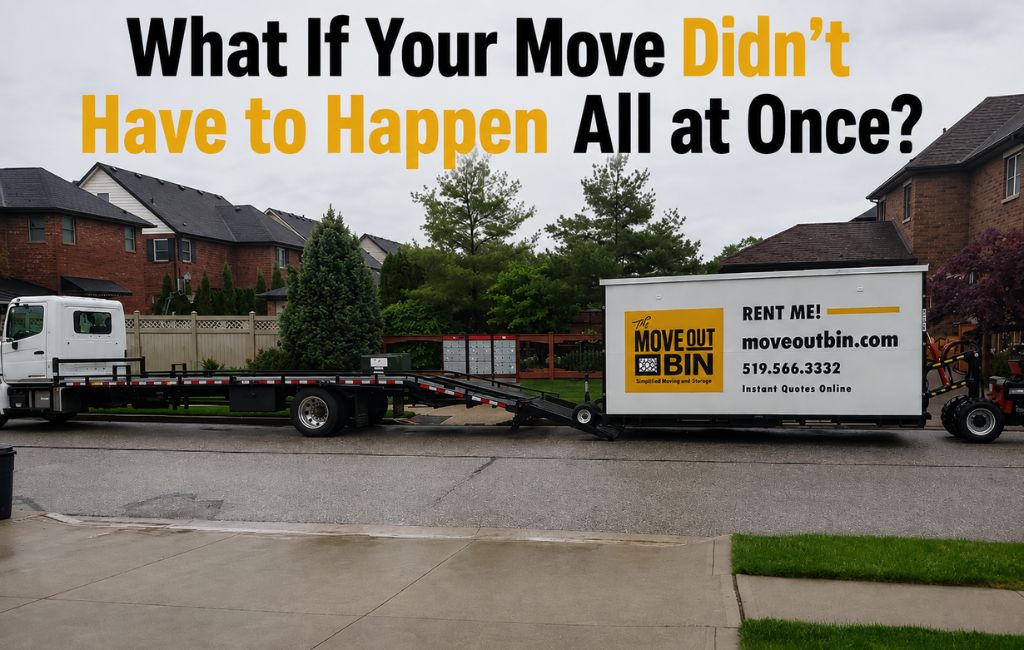
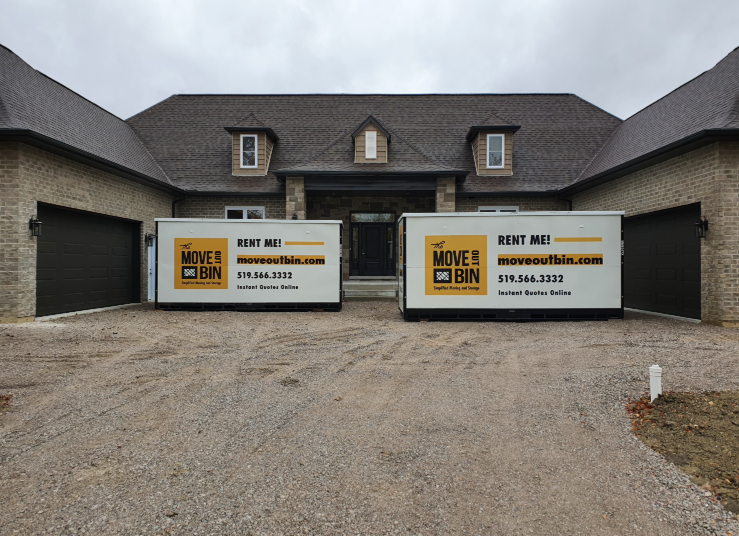
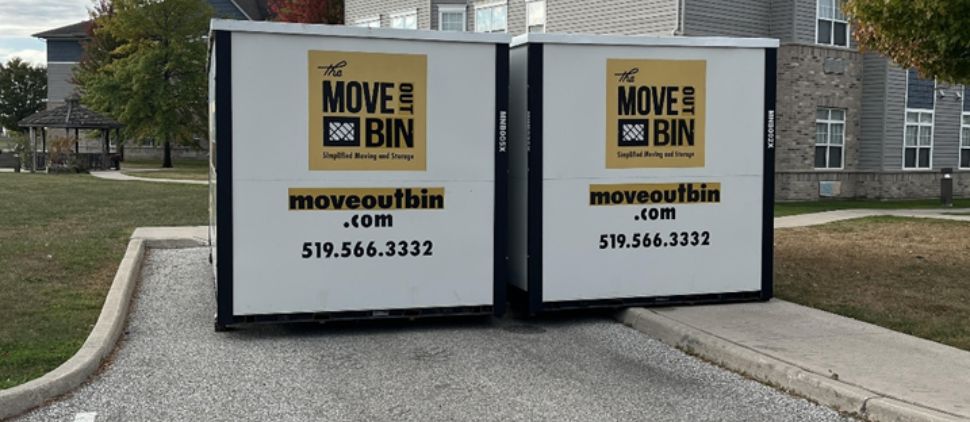
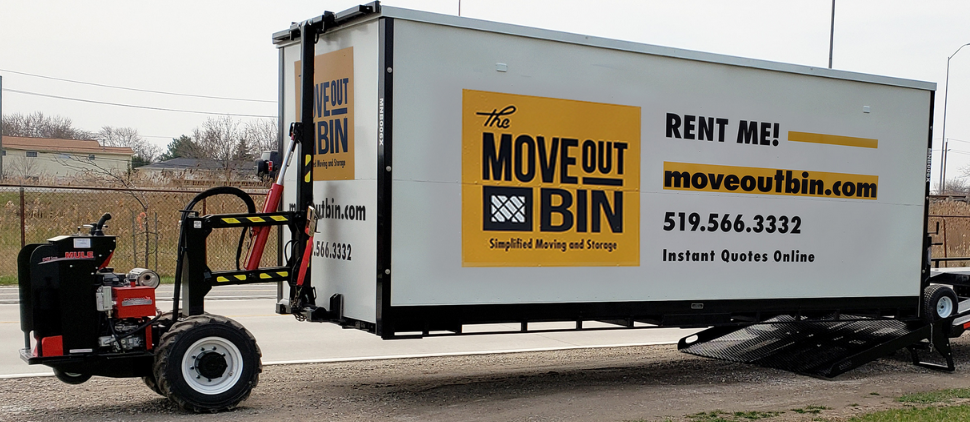
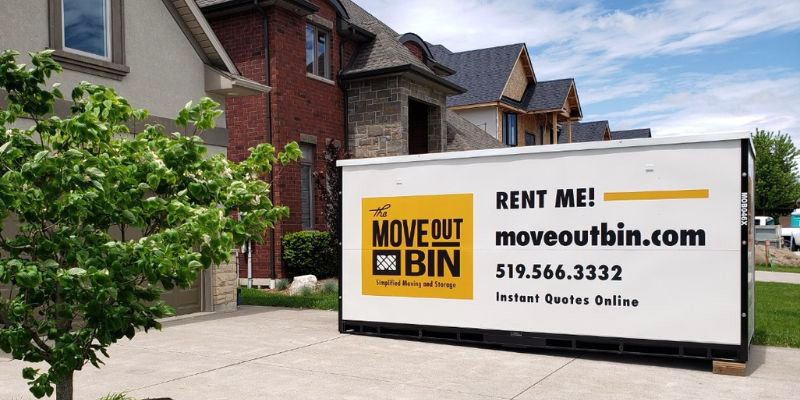
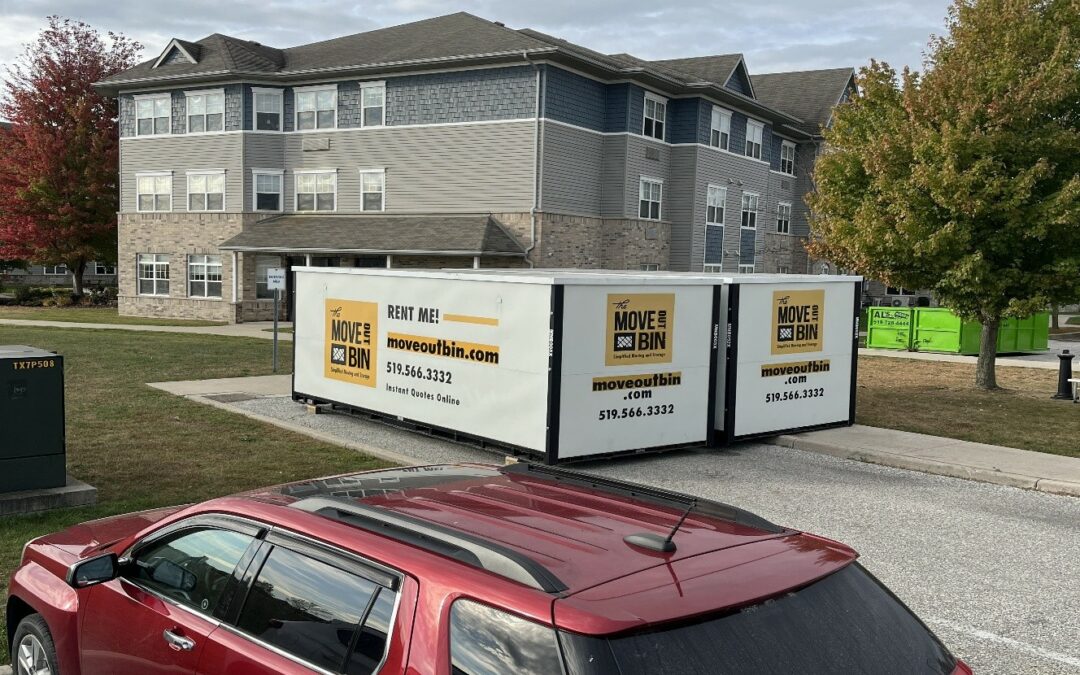
Traditional storage units require you to drive to a facility, load your car, and haul boxes up elevators or down long hallways. Our portable containers flip that model completely. We deliver a steel box to your driveway or parking lot. You fill it on your own schedule, over several days or even weeks.
Then we pick it up and store it at our secure location. This approach removes the physical strain of moving items twice, once into a truck and again into a unit. It also removes the emotional strain of rushing. When you control the loading timeline, you make better decisions about what to keep and what to release.
Consider these real situations where a portable box solves problems that fixed units cannot touch:
- A family renovating their kitchen needs countertop appliances and dishes nearby but not underfoot
- A couple selling their home before buying a new one must stage the house empty while living elsewhere
- A college student moving home for the summer cannot fit a dorm room into a parent’s basement
- A small business owner rotates seasonal inventory without renting expensive retail space
- A military family preparing for deployment wants household goods accessible without living among them
Each scenario shares one common thread. The stuff matters, but not every single day, and the ability to access it without a major road trip changes how people use storage entirely.
Which Container Size Actually Matches Your Life?
We offer two main sizes because one size never fits all. A 16-foot container comfortably holds everything from a studio apartment or a one-bedroom unit, including a sofa, a mattress, a dresser, and about ten to twelve moving boxes.
A 20-foot container handles the contents of a three-bedroom house, including larger furniture like dining tables, king-sized beds, and patio sets. We help customers estimate their needs based on room count and furniture dimensions because guessing wrong leads to wasted space or multiple trips.
Here is a simple table to guide your decision-making process.
| Your Current Home | Recommended Container | What Fits Inside Comfortably |
| Studio or one bedroom | 16 foot | Sofa, bed, small table, 10 boxes, a few lamps |
| Two bedroom apartment | 16 foot | Above plus a dresser, two chairs, kitchen items |
| Three bedroom house | 20 foot | Full living room, dining set, three beds, garage tools |
| Four or more bedrooms | Two 20-foot containers | Entire household plus patio furniture and storage bins |
The table removes the guesswork and lets you focus on sorting rather than stressing about logistics.
Why Do Intelligent People Hold Onto Things They Never Use?
Behavioral economists call this the endowment effect. We assign higher value to things we already own simply because we own them. A cracked mug from a vacation ten years ago feels irreplaceable, while an identical mug at a thrift store costs fifty cents. We do not mock this tendency because we experience it ourselves.
Instead, we offer a practical workaround. Place the questionable item into a storage box in Windsor for ninety days. Set a calendar reminder. If you do not visit the box or think about the item once during that period, donate it without opening the container. This method respects your attachment while introducing a rational delay that reveals what you truly value.
We learned this technique from a client who stored her late mother’s china for nearly a decade. She paid hundreds of dollars in rental fees, visited the box twice, and never used a single plate.
When she finally donated the set, she cried for twenty minutes and then laughed at herself for an hour. She did not need the china. She needed permission to let go. Our box gave her that permission by holding the items safely until she felt ready.
How Does the Environment Factor Into This Decision?
The Environmental Protection Agency reports that containers and packaging make up nearly thirty percent of municipal solid waste, and a meaningful portion of that waste comes from moving-related disposal.
People rent a storage box for rent, abandon the contents for years, and eventually throw everything directly into a landfill. That cycle hurts your wallet and the planet simultaneously. We break that cycle by encouraging regular reviews and easy donation partnerships.
When you decide to empty your box, we can connect you with local charities that accept furniture, clothing, and household goods. You clear your storage and support your community in the same afternoon.
Conclusion
You lock the steel door, slide the latch into place, and walk away knowing your belongings rest inside a secure, weather-resistant box that will not leak, rot, or invite pests. That peace of mind arrives exactly when you need it most, during the chaos of a move or the uncertainty of a life transition.
Move Out Bin exists to provide that pause button, whether you need a storage box in Windsor, a storage box for rent for three months or three years, or a full storage facility in Windsor that handles the heavy lifting while you focus on building your new home. Your memories stay safe, your living room stays open, and you finally stop tripping over boxes that belong in your past rather than your present.
Frequently Asked Questions
1. How do I know which box size fits my needs?
Estimate by room count. A 16-foot box holds a one-bedroom apartment. A 20-foot box holds a three-bedroom house. Call us for a free phone estimate. We walk through your inventory room by room and recommend the exact size you need.
2. Can I access my box on weekends?
Yes, you may enter our facility between 9 a.m. and 6 PM seven days a week.
3. What security measures protect my box?
Our lot features video surveillance 24 hours a day and gated entry system.
4. Do you offer moving blankets or packing supplies?
We rent furniture pads and moving blankets for a small fee. We also sell boxes, tape, and bubble wrap at cost. You can add these items when you book your box online or by phone before delivery.
5. What happens if I need my box delivered to a new address?
You schedule a delivery online or by phone. We bring the box to your new home. You unload it. We pick up the empty box within 48 hours. You only pay the standard delivery fee for your new address.